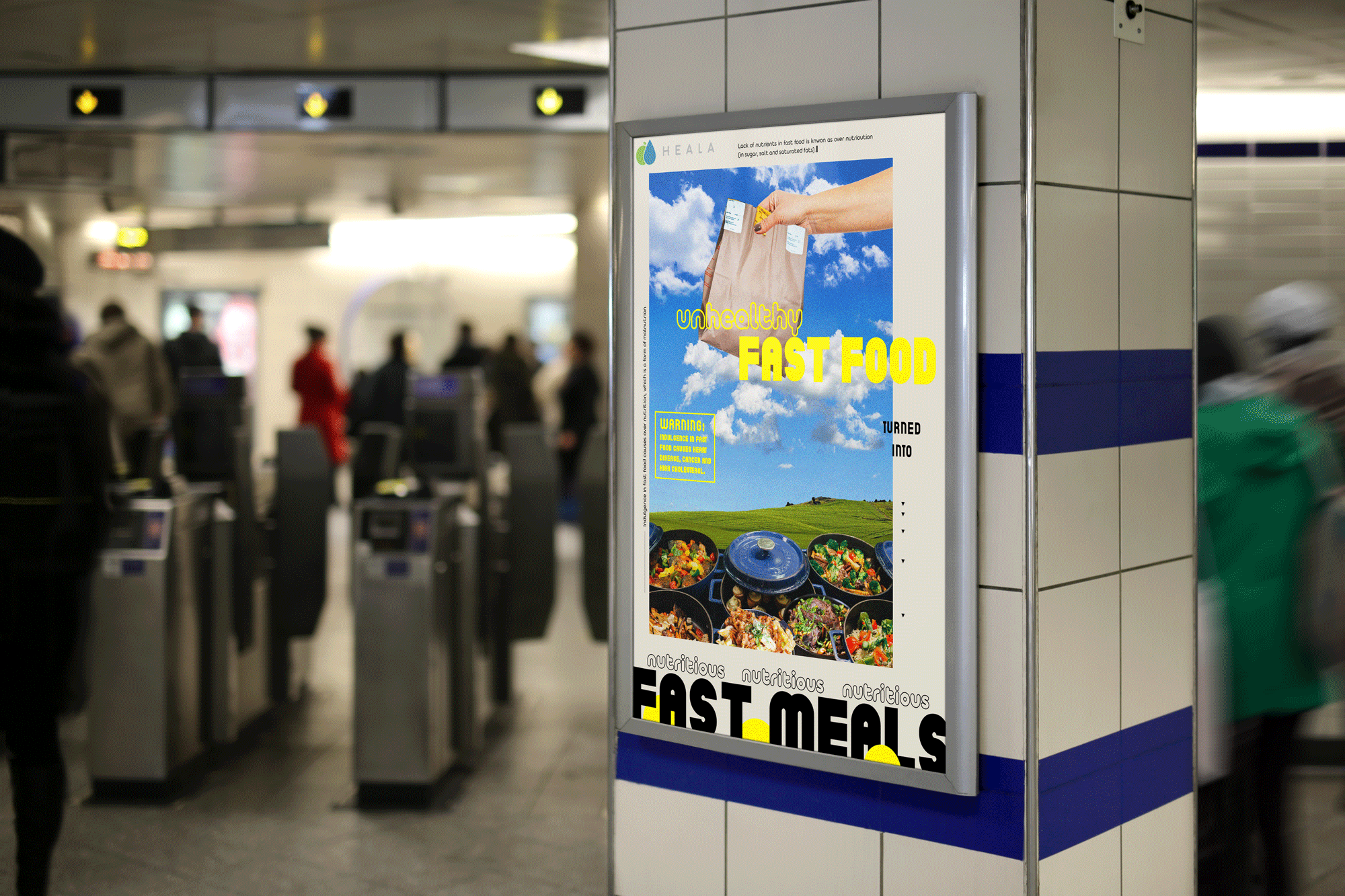
Heala
Malnutrition is often misunderstood as simply a lack of food, but in South Africa, it takes a more insidious form—overconsumption of low-nutrient, high-calorie fast food. While the country battles both undernutrition in rural areas and obesity in urban centers, the common thread is poor dietary quality. Fast food, loaded with empty calories, sugar, and unhealthy fats, fills stomachs but starves the body of essential nutrients. This paradox—where people eat more but nourish less—fuels a hidden epidemic of malnutrition, contributing to rising rates of diabetes, heart disease, and stunted growth in children. Bringing attention to this issue is critical because it dismantles the myth that malnutrition only affects the hungry; it thrives in the shadows of convenience, affecting millions who unknowingly trade health for speed.
South Africa faces a “double burden” of malnutrition, where undernutrition coexists with obesity and diet-related diseases. Fast food, aggressively marketed and deeply embedded in urban lifestyles, plays a major role in this crisis. A diet heavy in processed foods leads to micronutrient deficiencies—lack of iron, vitamins, and minerals—while simultaneously causing weight gain and metabolic disorders. In townships and cities, where fast food is cheap and accessible, families struggling with food insecurity often rely on these meals, not realizing they are trading short-term satiety for long-term health damage. By highlighting this issue, campaigns like Heala expose how malnutrition wears many masks—it’s not just about hunger but about what fills that hunger, and how corporate-driven food systems profit at the expense of public health.
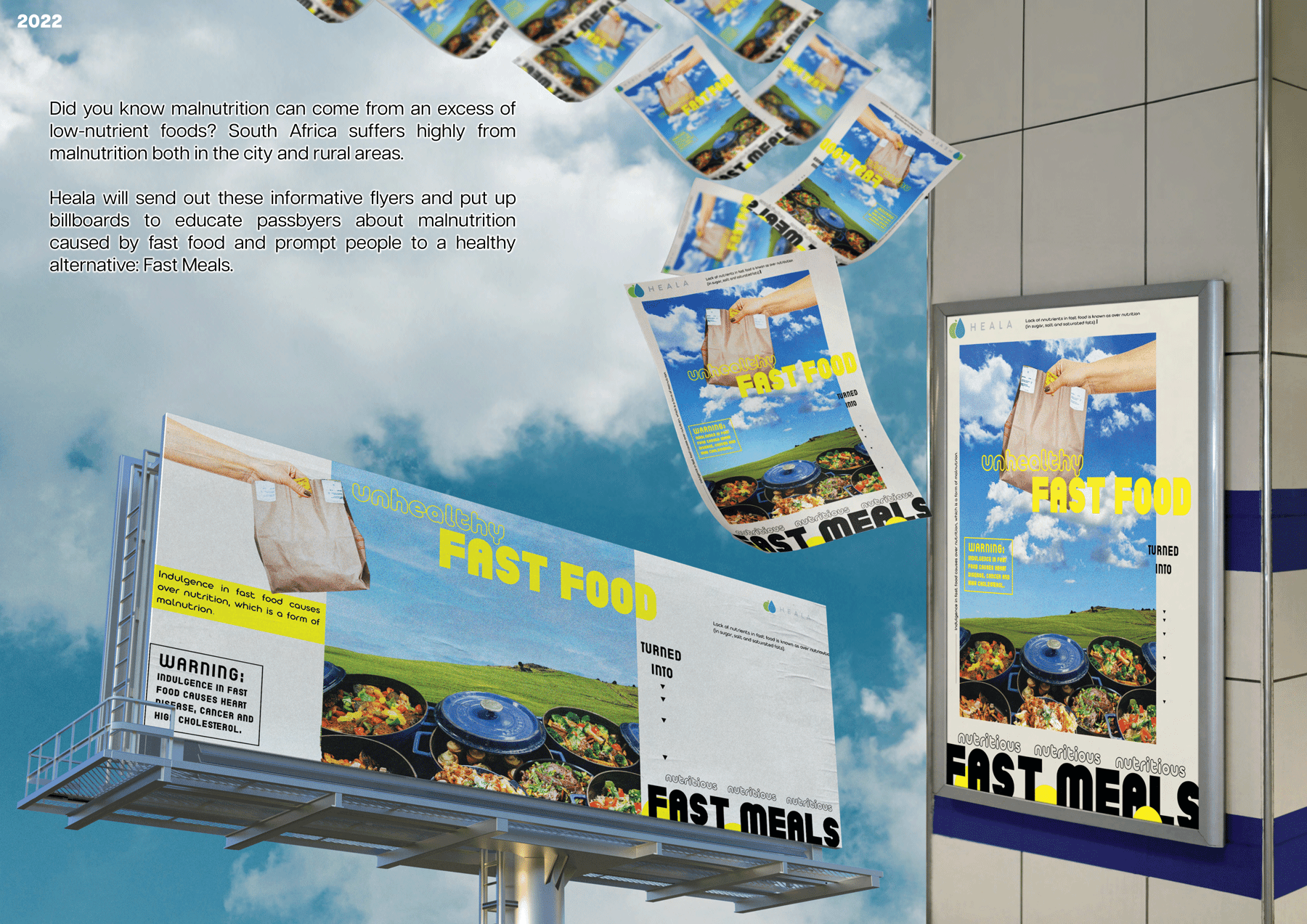
Many South Africans don’t realize fast food is a form of malnutrition—they see it as a harmless treat or an affordable meal. But the consequences are severe: childhood obesity, lowered immunity, and increased vulnerability to chronic diseases. Bringing attention to this issue is about education and empowerment. When people understand that a fast-food-heavy diet can be as damaging as outright starvation, they can make informed choices. Campaigns like Heala’s flyers and billboards serve as wake-up calls, showing that healthy meals can be just as convenient as drive-thrus—but without the hidden costs. Awareness is the first step toward breaking the cycle of poor nutrition, especially in communities where fast food is the easiest (but worst) option.
The fast-food industry thrives on accessibility, addiction, and affordability, but these conveniences come at a steep price. In South Africa, where economic inequality limits food choices for many, corporations exploit this vulnerability by pushing cheap, hyper-palatable foods designed to keep people coming back. The result? A population overfed yet undernourished, with skyrocketing rates of hypertension and type 2 diabetes. By calling out these practices, campaigns like Heala challenge the narrative that fast food is just a personal choice—it’s a systemic issue shaped by marketing, poverty, and food deserts. Shifting public perception forces accountability, urging both consumers and policymakers to demand better options.
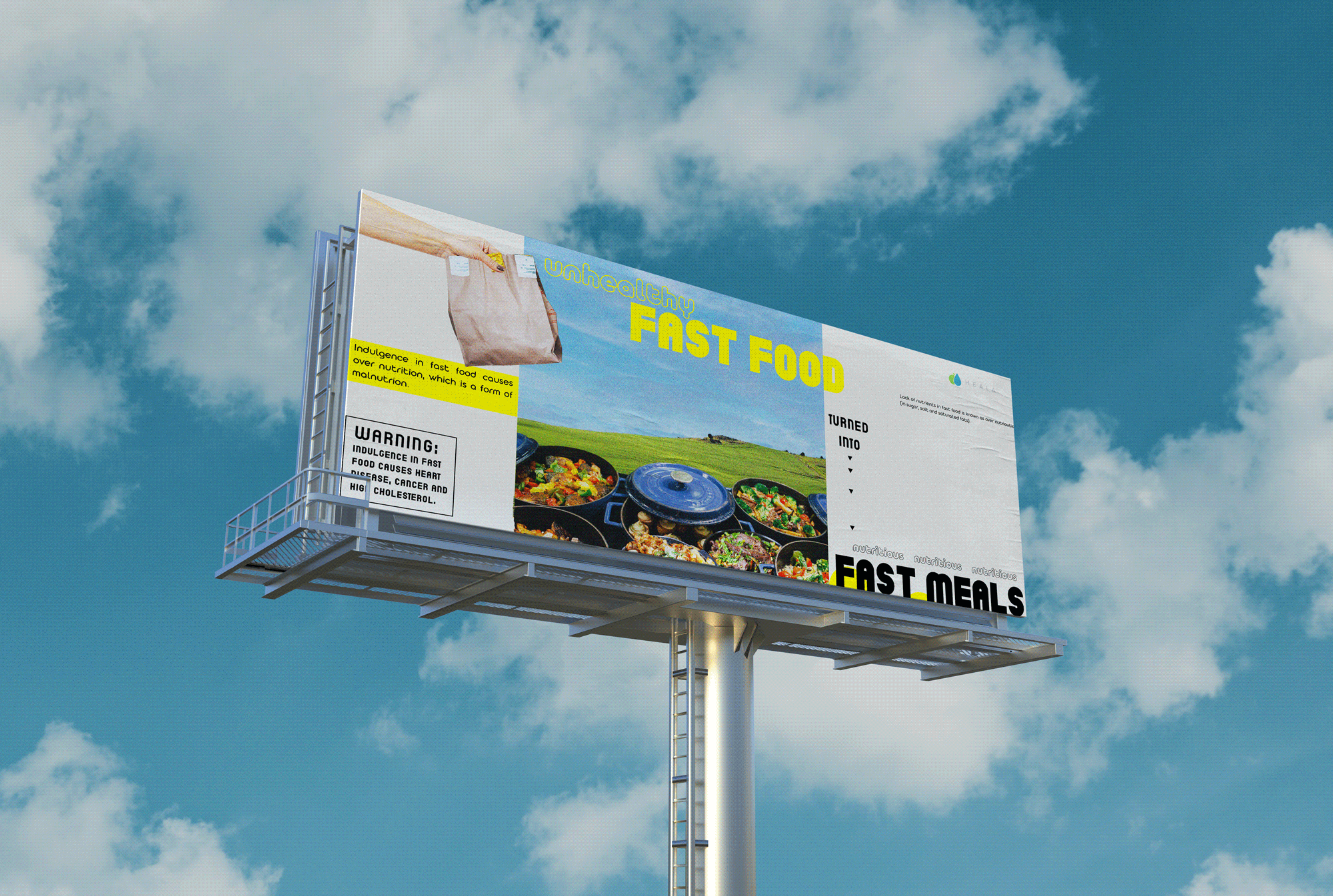
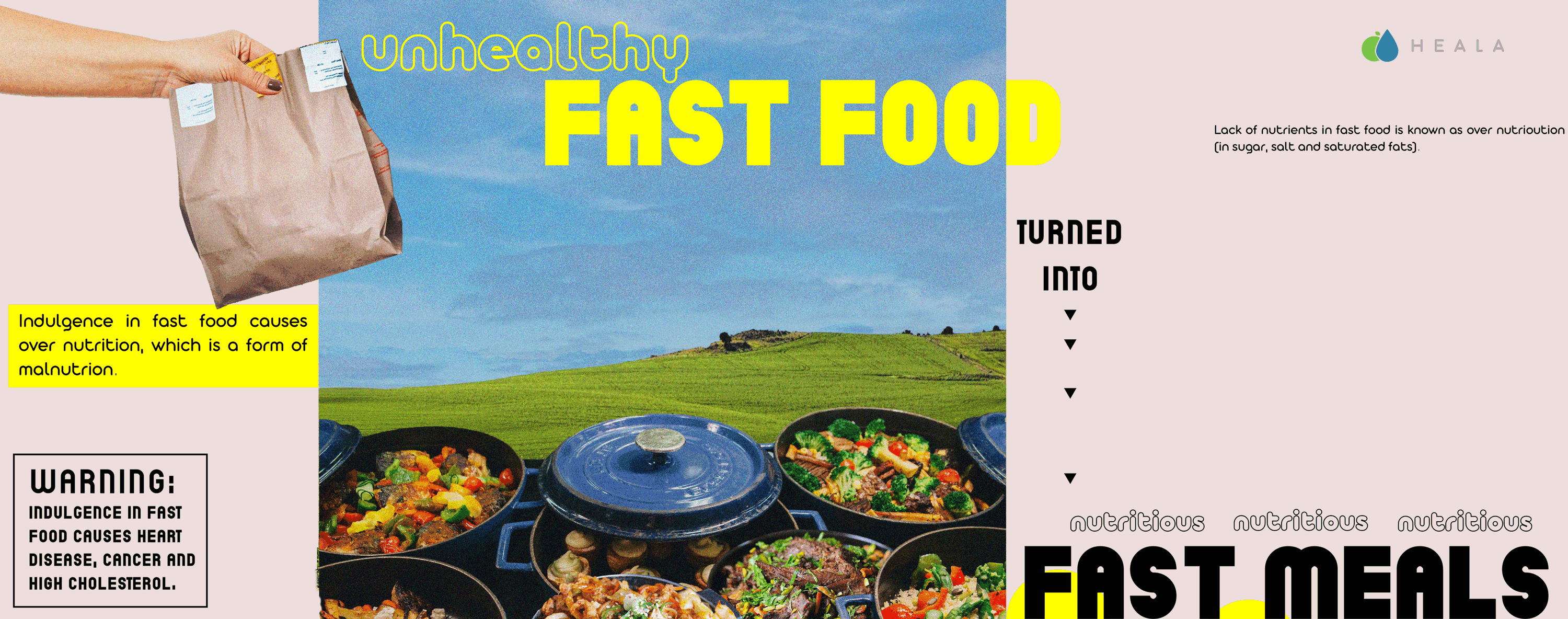
Malnutrition from fast food isn’t inevitable—it’s a man-made crisis that can be fought with better alternatives. Heala’s message—that healthy meals can be quick, affordable, and satisfying—directly counters the fast-food industry’s grip on South Africa’s diet. By promoting nutrient-dense, locally sourced meals, the campaign doesn’t just criticize; it offers solutions. Real change starts when people realize that every meal is a chance to nourish or neglect their bodies. Whether through policy reforms, community education, or conscious consumer choices, addressing malnutrition means redefining convenience—not as speed, but as sustenance that truly fuels a nation.